
Root canal · prosthetic treatment
- Root canal treatment
- Prosthetic treatment
Root canal treatment
Root canal treatment is done when the nerve of a tooth is inflamed or directly exposed.
The nerve tissue is removed and the inside of the tooth is disinfected
so that the tooth can keep working.
-
Treatment time
About 60 minutes
-
Anesthesia
Local anesthesia
-
Number of visits
3 ~ 4 visits
-
Average duration
3 weeks ~ 1 month
-
Pain & bleeding
None
Treatment needs to remove
the source of infection thoroughly.
Steps of root canal treatment
-
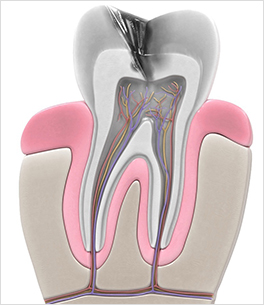 01
01We make an accurate diagnosis
and set up a treatment plan. -
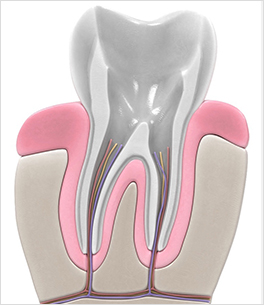 02
02After anesthesia we remove the source of
infection and expose the nerve. -
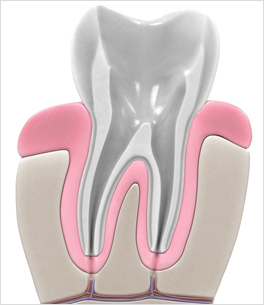 03
03We remove the infected nerve and
tooth tissue and disinfect
the root canal. -
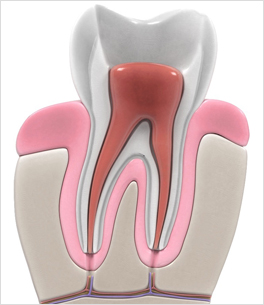 04
04Once disinfection is finished and
there are no clinical symptoms, the canal
is filled with dental material. -
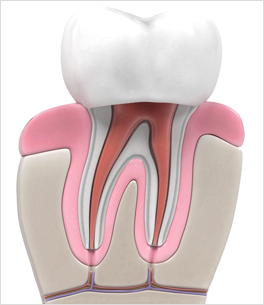 05
05Suitable prosthetic treatment then
restores the function of the tooth.
Why a crown is needed after root canal treatment
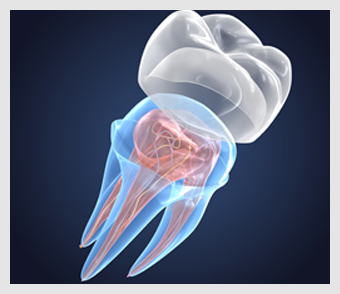
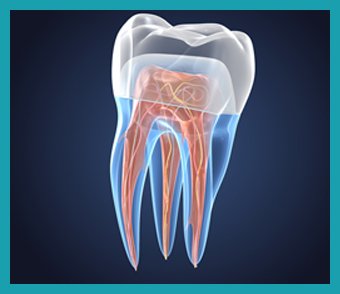
and finishes by filling the empty space in the crown of the tooth with a hard dental material.
Unlike an untreated tooth, a tooth that has had root canal treatment no longer receives nutrients through the canal,
so its enamel and dentin weaken and it can fracture.
Root canal treatment also involves removing tooth structure, which makes the tooth structurally less able to withstand chewing forces.
A crown is therefore placed alongside it to protect the weakened tooth and help prevent the natural tooth from fracturing.
What is prosthetic treatment (a crown)?
“The damaged part of the tooth is filled with a hard dental material,
the tooth is then trimmed around its circumference as much as needed,
and a dental prosthesis is placed over the whole tooth.”
A damaged tooth is likely to split or crack under chewing forces,
so prosthetic treatment wraps the tooth to preserve its remaining structure.
Even without root canal treatment, a badly damaged tooth needs prosthetic treatment
to preserve the natural tooth.
-
Treatment time
About 60 minutes
-
Anesthesia
Local anesthesia
-
Temporary crown
Used
-
Number of visits
3 visits
-
Average duration
2 weeks
Keep the natural tooth,
strong and comfortable to use.
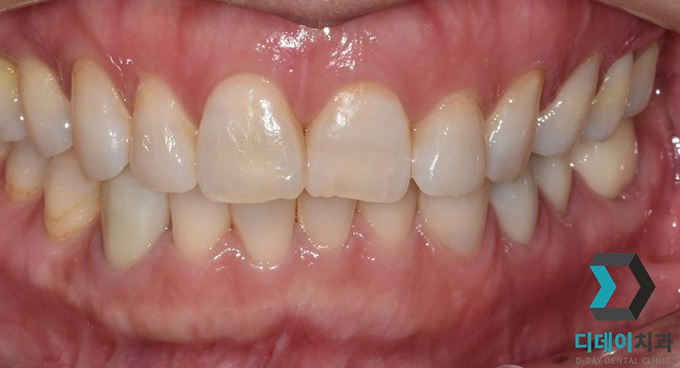
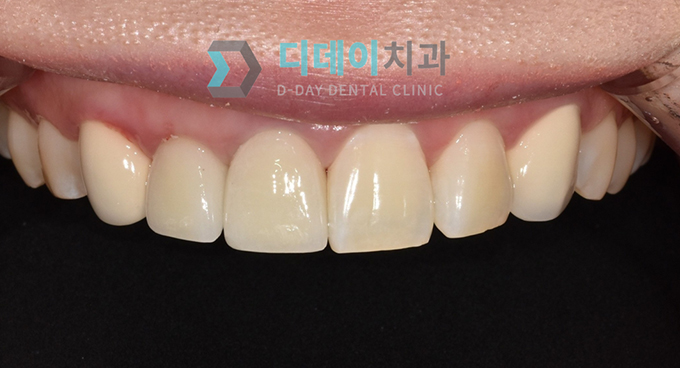
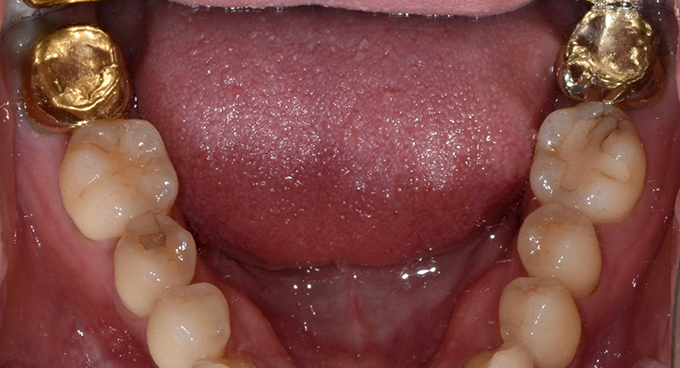
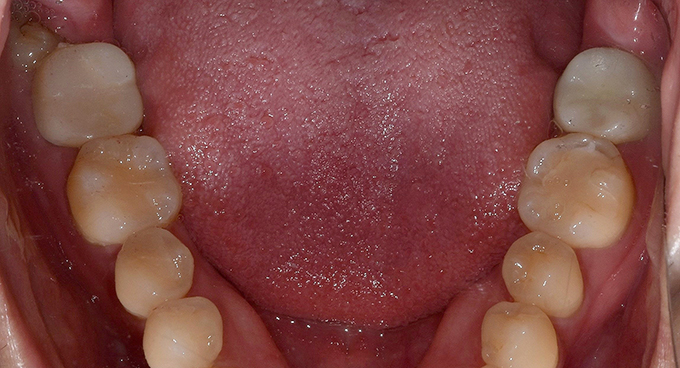
Prosthetic (crown) treatment —
have you been putting it off because
the procedure or the cost worries you?
With prosthetic treatment in particular, leaving it undone makes it more likely that
the natural tooth will fracture or split, so it needs to be covered with a suitable material.
To keep a natural tooth and use it for a long time,
it matters a great deal to make and bond a well-fitting prosthesis at the right time.
Types of
prosthetic treatment
-
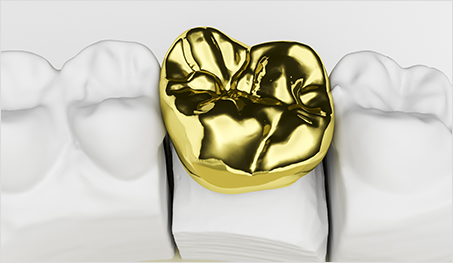
Gold crown
It is biocompatible and strong, and because it is metal it does not chip the way brittle materials do.
The minimum thickness the material needs for stability is small, so less tooth structure
has to be removed than with other materials, but it is less esthetic. -
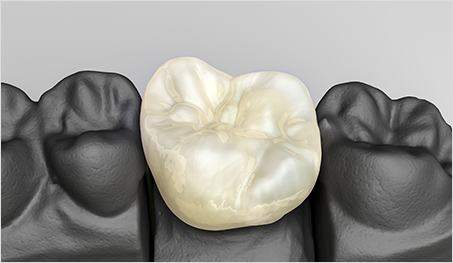
Zirconia crown
Like gold, this material is biocompatible and strong.
It also conducts heat poorly, so teeth feel less sensitive with hot
or cold food, and its color is close to a natural tooth, which is why it is the material
most commonly used these days. -
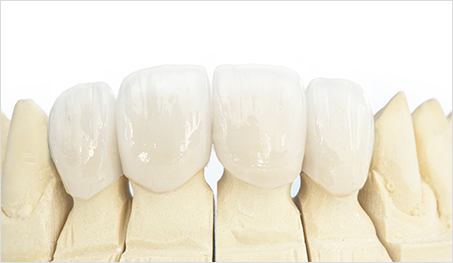
All-ceramic crown
This material can reproduce the translucency of a natural tooth, so it looks esthetic and natural.
It is well suited to designing the color, shape and alignment of a tooth and is
used mainly for esthetic restorations on front teeth.
D-day clinic information
D-DAY Contact
Address
10F, Hwanam Building, 337 Teheran-ro, Gangnam-gu, Seoul (서울특별시 강남구 테헤란로 337 화남빌딩 10F) — in front of Exit 6, Seolleung Station
Clinic hours
-
Mon / Thu / Fri10:00 ~ 19:00Saturday10:00 ~ 14:00
-
Tue / Wed10:00 ~ 21:00Lunch break13:00 ~ 14:00
*Saturday: open through lunch, no lunch break.
*Closed on Sundays.
*Public holiday hours are announced separately.