
Cavity treatment
Cavity treatment
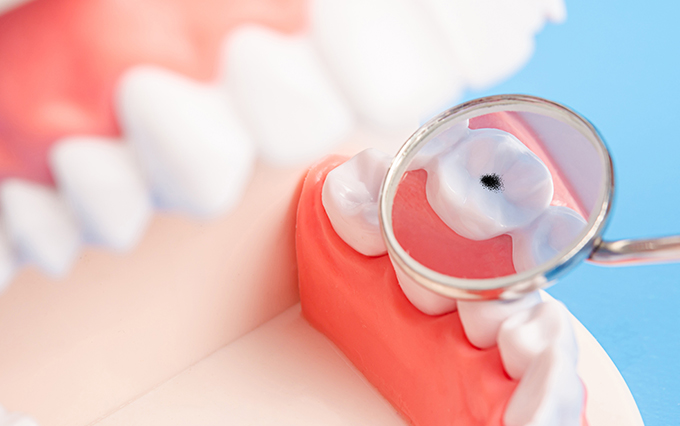
“A cavity is an infectious disease caused by bacteria in the mouth.”
Bacteria on the tooth surface break down sugar and starch, producing acid,
and the tooth is damaged starting from its surface.
This is called dental caries, or a cavity. Because a cavity is a progressive lesion,
finding it early and having it treated appropriately is important.
-
Treatment time
30 ~ 60 minutes
-
Anesthesia
Local anesthesia
-
Number of visits
1 ~ 2 visits
-
Average duration
1 ~ 7 days
-
Pain & bleeding
None
Cavity treatment
is better done early.
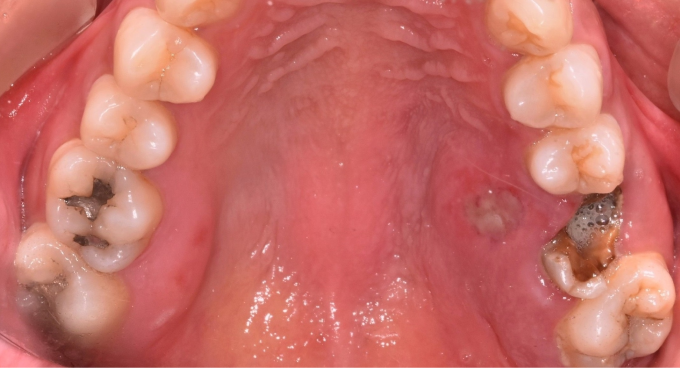
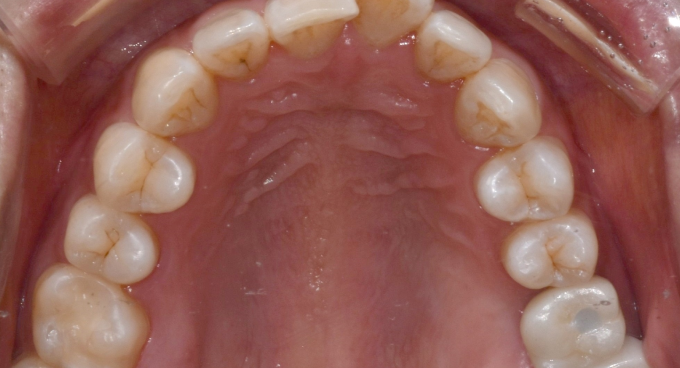
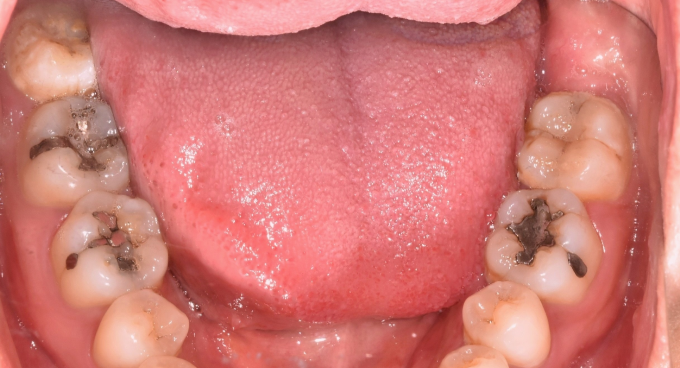
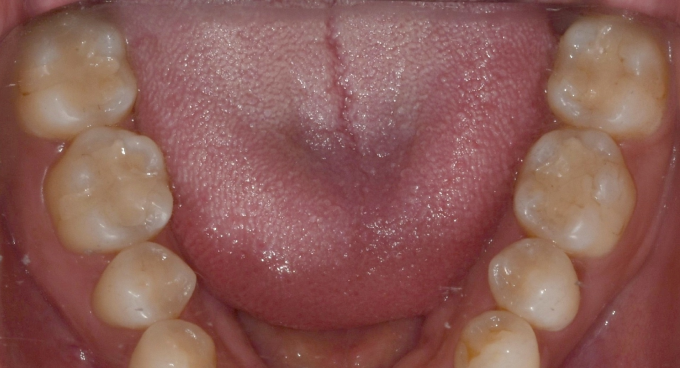
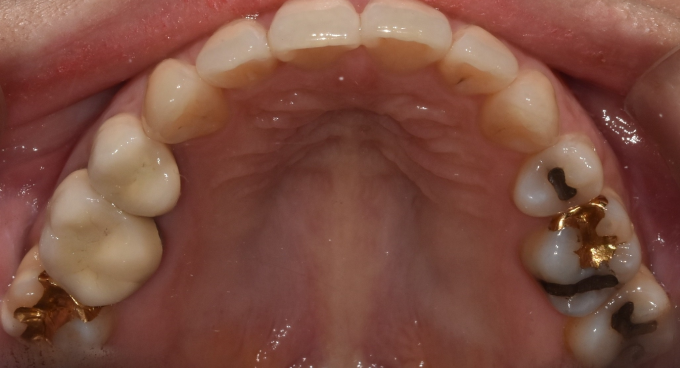
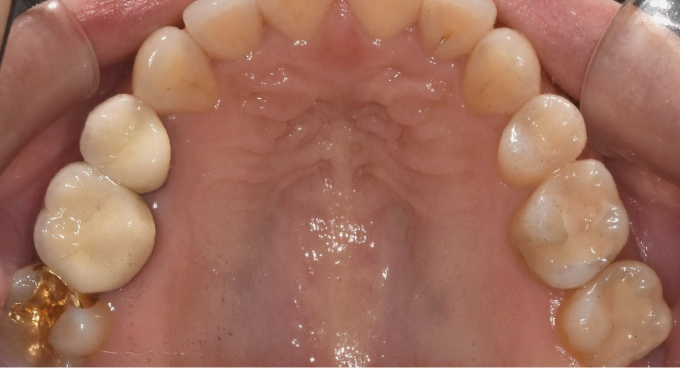
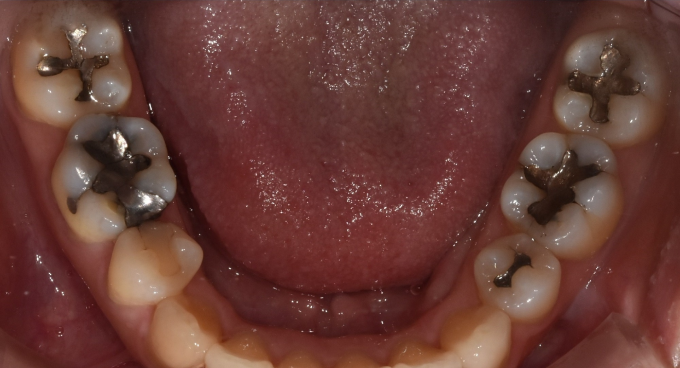
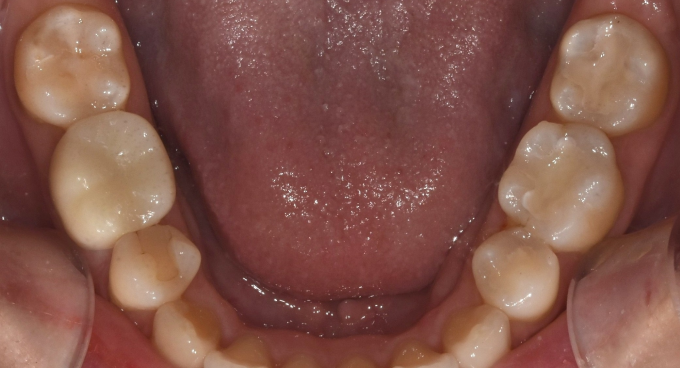
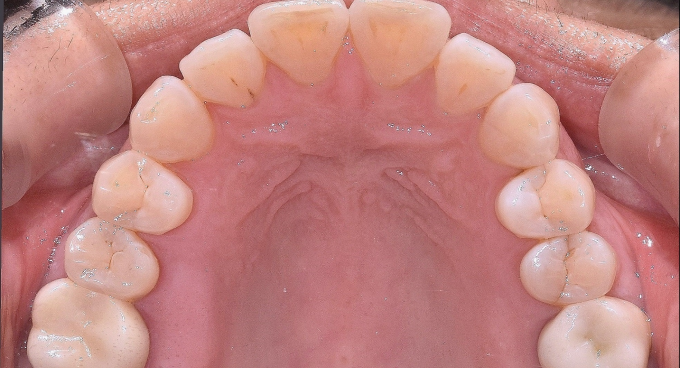
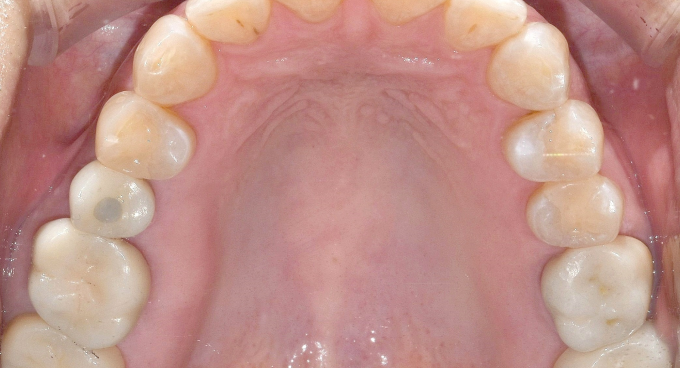
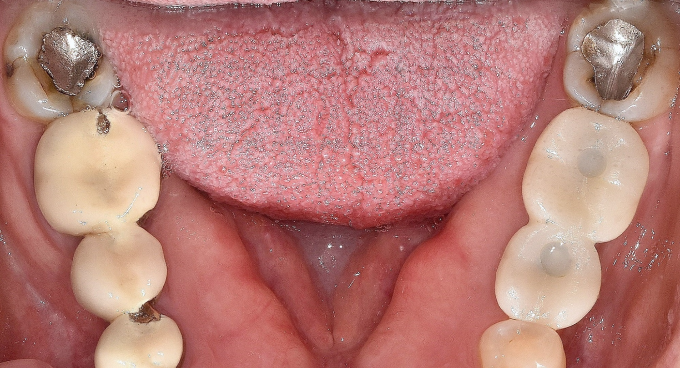
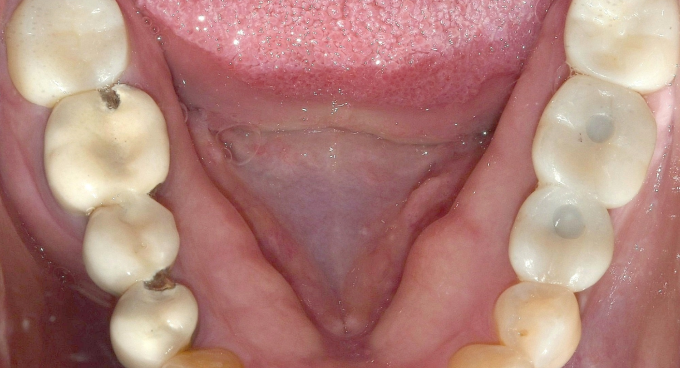
Cavity treatment —
have you been putting it off because
the procedure or the cost worries you?
The longer cavity treatment is delayed out of worry about pain or cost,
the more time and money the treatment tends to take.
At D-day Dental Clinic, we work to keep discomfort as low as we can
and to suggest a treatment plan that fits your situation at a reasonable cost.
Depending on how far the decay has progressed,
treatment is done stage by stage.
Stages of cavity treatment
-
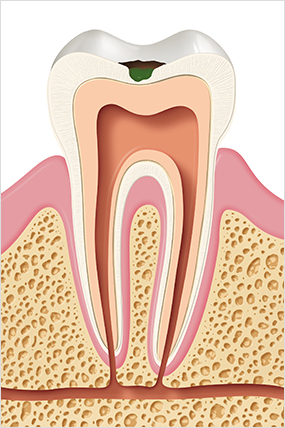 01
01Enamel cavity
Composite filling
-
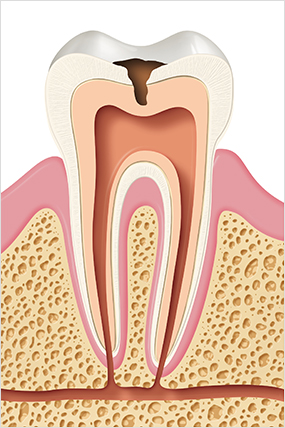 02
02Dentin cavity
Composite filling or an inlay, depending on the size, depth and location of the cavity
-
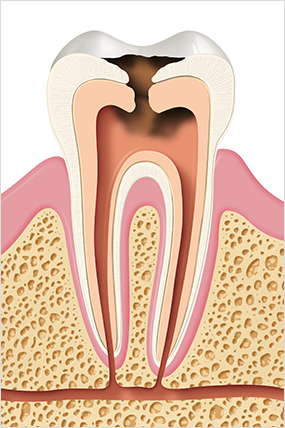 03
03Pulp
Decay has reached the tooth nerve
Root canal treatment, then a crown -
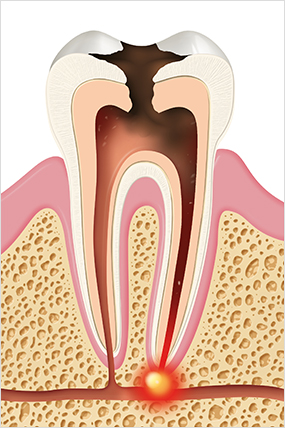 04
04Root apex
Decay has spread to the tooth root
Extraction may be considered
Types of cavity treatment
Composite filling
For an early-stage enamel cavity, the decayed area is removedand the tooth is filled with composite resin, a dental filling material.
Its color is almost the same as a natural tooth, so it is the most commonly used material, but it
shrinks as it sets and is less strong than an inlay.
Inlay
This is chosen when the decay has gone further and reached the dentinbut root canal treatment is not needed.
A composite filling is placed directly into the area where the decay was removed, while
an inlay is made in advance from an impression and then bonded in — an indirect filling.
Because it is made in advance, it is more precise than a composite filling and its physical properties are also better.
Q&A
differ from clinic to clinic?
Diagnoses differ because of arrested caries.
Saliva contains calcium ions, so an area that decay has temporarily eroded can recover.
This is called remineralization, and what it leaves behind on the tooth, much like a scar, is arrested caries.
Whether treatment is needed therefore depends on whether the decay is active or arrested.
D-day clinic information
D-DAY Contact
Address
10F, Hwanam Building, 337 Teheran-ro, Gangnam-gu, Seoul (서울특별시 강남구 테헤란로 337 화남빌딩 10F) — in front of Exit 6, Seolleung Station
Clinic hours
-
Mon / Thu / Fri10:00 ~ 19:00Saturday10:00 ~ 14:00
-
Tue / Wed10:00 ~ 21:00Lunch break13:00 ~ 14:00
*Saturday: open through lunch, no lunch break.
*Closed on Sundays.
*Public holiday hours are announced separately.